
Workshop 260908
From Generative AI to Agentic Work
A 120-minute working session on what makes an AI agent useful, usable and ready for real work.
120 minutes · Live demo · Guided installation · Hands-on workshop
Explore the agendaAgenda
Six parts, one continuous working session.
- 01From Generative AI to Agentic AI15 min
- 02What we want from an agent15 min
- 03Live Demo15 min
- 04Installation15 min
- 05Hands-on workshop45 min
- 06Wrap-up and results15 min
Total duration: 120 minutes
0115 min
From Generative AI to Agentic AI
- From generating content to delegating real work.
- A useful agent needs a clear objective, relevant context, tools, memory, boundaries and human approval.
- An agent needs an operating framework, not only a capable model.
- By the end of the workshop, each participant will have a first AI Chief of Staff ready to use.
PromptWork
01Objective
02Context
03Tools
04Memory
05Boundaries
06Approval
0215 min
What we want from an agent
- An agent should work where people already work: Telegram, WhatsApp, Discord, Slack and browser access on desktop, phone and tablet.
- It needs a persistent, isolated operating environment: a dedicated virtual machine, separate data and context, and connected tools that remain available independently of the device used to access it.
- It should use connectors to reach the systems where work happens: email, calendars, documents, files, CRM, spreadsheets, web services and other approved applications.
- Connectors should be scoped to the job and the user. An agent receives only the access it needs, with human approval before external actions.
- It needs memory that is useful rather than indiscriminate: a curated knowledge base for decisions, projects and procedures; short operational memory for stable preferences; live sources for current facts; and targeted retrieval of relevant history when needed.
- It should combine one personal agent with specialist roles or workflows when data, permissions, channels or responsibilities differ, rather than forcing everything through one generic chatbot.
- L01
Channels
TelegramWhatsAppDiscordSlackBrowser - L02
Dedicated environment
Isolated VMSeparate dataPersistent context - L03
Connectors
Scoped accessPer userHuman approval - L04
Memory & control
Knowledge basePreferencesLive sourcesRetrieval
EmailCalendarCRMDocumentsFilesSheetsWeb
0315 min
Live Demo
- A visible example from request to prepared output.
- Proposed example: create a LinkedIn post from a supplied photo.
- Show how the agent uses the approved workflow, prepares the copy and visual, then stops for human approval before publishing.
Request
Photo supplied, outcome described.
Prepared draft
Copy and visual assembled by the approved workflow.
Human approval
The agent stops here. Nothing is published without a person.
0415 min
Installation
 KOVE SuperAgent
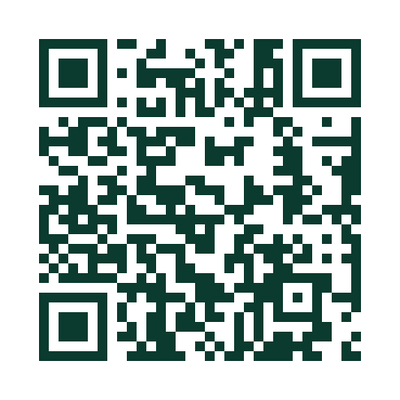
- Activate the agent on each participant's phone with a tested QR code or link.
- Confirm access and show the first useful interaction.
Phone
Browser
Topic · ProjectsTopic · WorkflowsTopic · Roles
Demo accounts only
0545 min
Hands-on workshop
- First 15 minutes: define the expected outcome. Each participant selects one real process, available information, desired output, approval point and success measure.
- Next 30 minutes: participants prepare a first delegation, workflow or agent brief based on their own activity.
- Goal: leave with one simple, testable use case.
- Process
- Information
- Output
- Approval
- Success measure
0615 min
Wrap-up and results
- Review selected use cases and outputs.
- Identify the owner, first verifiable action, access required and next step for the most promising cases.
- Distinguish a short pilot from a full implementation.
- Participants may keep their demo account after the workshop or request its deletion.
Use casePilotImplementation
Owner · Approval gate
One person accountable, one verifiable first action.
Leave with a use case you can test.
The workshop ends with a concrete starting point: one process, one first delegation and a clear next action.